

Metro leads as Dubai public transport crosses 800 million riders
Shared mobility records 30 percent growth in 2025
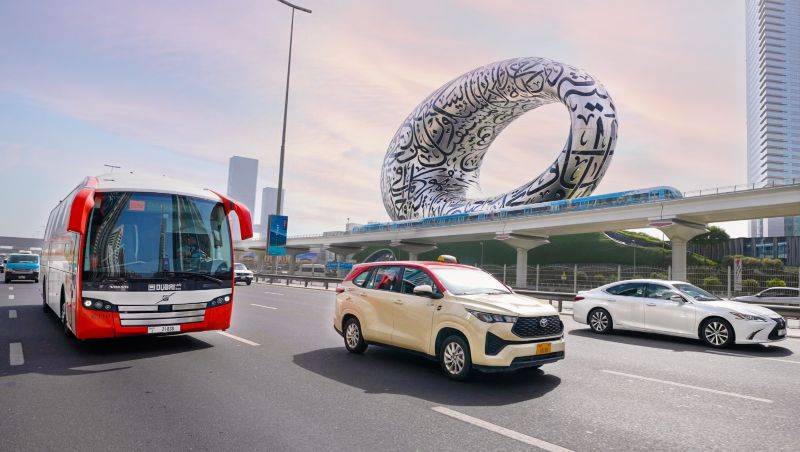
DUBAI – Dubai’s public transport, shared mobility and taxi services carried 802.1 million riders in 2025, marking a 7.4 percent increase compared with 747.1 million riders in 2024, according to the Roads and Transport Authority.
The figure covers users of Dubai Metro, Dubai Tram, public buses and marine transport modes, alongside shared mobility options and taxis across the emirate.
Average daily ridership reached 2.2 million riders, up from 2 million in 2024, underscoring sustained demand across the network. In addition, 23.6 million riders used premium limousine transport services during the year, compared with 19.2 million the previous year. These limousine figures are not included in the total public transport ridership.
A total of 167.3 million trips were completed across public transport, shared mobility and taxis in 2025. Of these, taxis accounted for 120 million trips, while shared mobility services recorded more than 41 million trips. October and November registered the highest monthly trip volumes at 15.1 million trips each.
Peak performance
October 2025 recorded the highest monthly passenger volume at 72.8 million riders. November followed closely with 72.6 million riders, while December recorded 71.4 million riders. Monthly passenger numbers during the remainder of the year ranged between 61 million and 69 million.
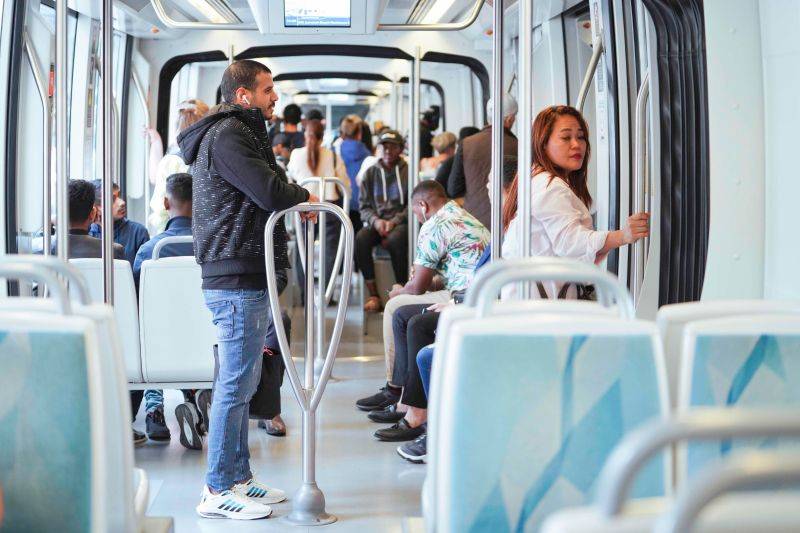
The strong performance during the final quarter reflects stable usage levels during peak periods, demonstrating the network’s operational capacity to accommodate increased demand under consistent conditions. December’s marginal decline compared with October and November corresponded with seasonal changes in travel patterns associated with holidays and year-end travel.
Mattar Al Tayer, Director General and Chairman of the Board of Executive Directors of the Roads and Transport Authority, said the sustained 7.4 percent growth in usage, together with a 30 per cent rise in shared mobility compared with 2024, reflects a structural shift in mobility patterns across Dubai.
He said the growth underscores the authority’s strategic vision to develop an integrated transport system that enhances quality of life and supports economic development. Long-term investments in infrastructure, smart technologies and multimodal integration have positioned public transport as a central component of sustainable urban planning.
Strategic expansion
Al Tayer said the continued rise in demand demonstrates the system’s operational efficiency, supported by the integration of metro, tram, buses, marine transport and shared mobility services. The diversity of mobility options provides flexible and safe alternatives catering to different user segments.
The authority is advancing plans to expand metro, tram and bus networks, improve marine transport efficiency and further develop shared mobility solutions. Artificial intelligence technologies are being deployed in data management and in designing the customer journey.
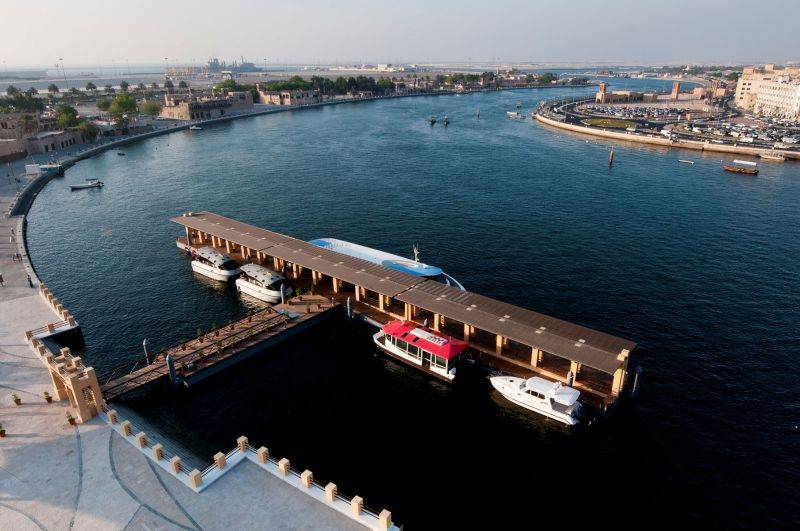
Dedicated bus and taxi lanes are also set for expansion during 2025 and 2026. Six new corridors extending 13 kilometres will increase the total length of dedicated bus and taxi lanes to 20 kilometres. The project is expected to increase ridership by 10 per cent, improve bus on-time performance by 42 percent and reduce bus journey times by 41 percent.
The authority is also studying a trackless tram project across eight locations in Dubai. The proposed system would operate on electric power and use a virtual track guided by camera-based detection of painted road markings, offering lower costs and shorter implementation timelines compared with conventional tram systems.
Usage patterns
Dubai Metro remained the backbone of the public transport system, accounting for 37 per cent of total users across public transport, shared mobility and taxis in 2025. Taxis represented 26 percent, compared with 27 per cent in 2024, marking a third consecutive annual decline in share. Public buses accounted for 25 percent of total users.
Shared mobility services continued their upward trajectory, increasing their share from 6.2 percent in 2023 to 7.5 percent in 2024, and reaching 9 percent in 2025. Marine transport modes maintained a 2 per cent share, while Dubai Tram accounted for 1 percent.
The gradual decline in taxi share alongside the growth in metro, bus and shared mobility usage signals a shift towards mass transit options, supported by enhanced service reliability and stronger integration between transport modes.
Dubai public transport
Dubai Metro recorded 294.7 million riders across the Red and Green lines in 2025, reflecting a 7 percent increase compared with 2024.
BurJuman Metro Station, an interchange serving both lines, recorded the highest passenger volume at 17.8 million riders, an increase of more than 1.5 million year-on-year. Al Rigga Metro Station followed with 13.8 million riders.
On the Red Line, Union Metro Station recorded 13.6 million riders, followed by Mall of the Emirates Metro Station with 11.2 million riders and Burj Khalifa Dubai Mall Metro Station with 10.9 million riders.
On the Green Line, Sharaf DG Metro Station recorded 10.5 million riders, followed by Baniyas Square Metro Station with 8.4 million riders and Stadium Metro Station with 7.5 million riders.
High demand at these stations reflects their function as interchange hubs, commercial centres and gateways to major urban and tourist destinations. Several are integrated with bus stations and other transport links, enhancing accessibility and supporting daily mobility.
Public buses carried 197.2 million riders in 2025, representing a 5 percent increase compared with 2024.
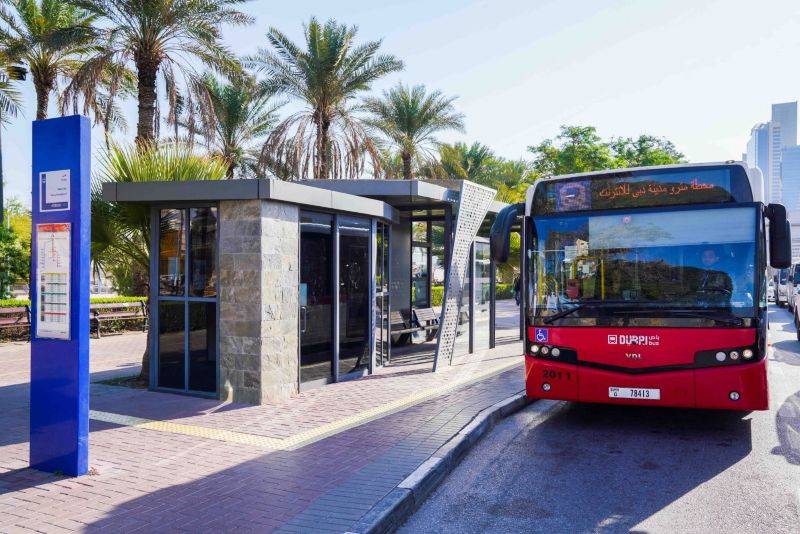
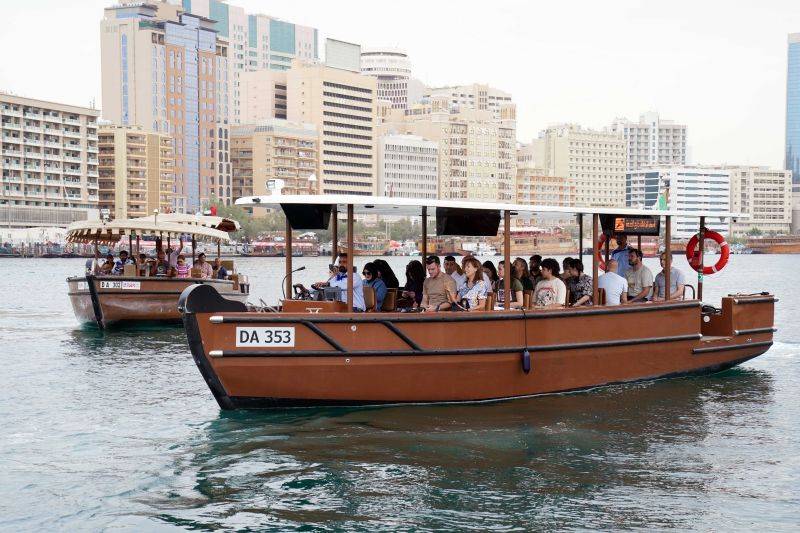
Marine transport modes, including abras, water taxis and Dubai Ferry, served 18.4 million riders, marking a 3 percent rise.
Dubai Tram transported 9.9 million riders, up 5 per cent year-on-year. Shared mobility services, including app-based vehicles, hourly rental vehicles and on-demand buses, carried 72.9 million riders, recording a 30 percent increase compared with the previous year.
Taxis transported 209 million riders, reflecting a 4 percent annual increase. Premium limousine services recorded 23.6 million riders, achieving 22 percent growth compared with 2024.